Top 10 Best Neck Trainers for Fighters in 2026
A coach's guide to the best neck trainers for combat sports athletes, from budget harnesses to rotational devices built for serious neck conditioning.
In this guide
The Fighters Shop is reader-supported. As an Amazon Associate we earn from qualifying purchases, at no extra cost to you. Learn more
Neck training gets overlooked until someone eats a clean shot and feels it rattle through their whole head. This list is for wrestlers, grapplers, Muay Thai fighters, boxers, and MMA athletes who want to add direct neck work to their strength routine, whether that’s for durability, bridging strength, or just filling out a thick neck that holds up under grips and strikes.
We cover harness-style trainers that load with plates, rotational devices, and band-based options you can use on the road. Some picks suit a home gym with a rack and plates, others work on a hotel room floor with nothing but your bodyweight and a door.
| # | Product | Best for | Amazon |
|---|---|---|---|
| 1 | 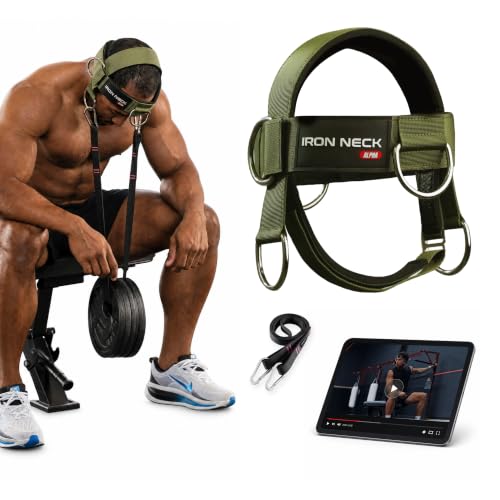 Iron Neck OriginalBest overall Iron Neck OriginalBest overall | Full range-of-motion neck conditioning | View on Amazon |
| 2 | Harbinger Neck HarnessBest budget | Simple plate-loaded neck work | View on Amazon |
| 3 |  DMoose Neck HarnessBest for beginners DMoose Neck HarnessBest for beginners | First time users easing into loaded neck work | View on Amazon |
| 4 |  Titan Fitness Neck HarnessBest premium Titan Fitness Neck HarnessBest premium | Lifters loading heavy weight for neck bridges | View on Amazon |
| 5 |  Yes4All Neck HarnessBest value Yes4All Neck HarnessBest value | Budget minded athletes wanting a reliable basic harness | View on Amazon |
| 6 | EliteFTS Neck HarnessBest for powerlifters and wrestlers | View on Amazon | |
| 7 | Yoko Head HarnessBest for martial artists | Combat athletes wanting a harness built around their sport | View on Amazon |
| 8 | Grizzly Fitness Neck HarnessBest padded comfort | Athletes who find thin straps uncomfortable | View on Amazon |
| 9 | FitBeast Neck TrainerBest portable option | Training on the road without weight plates | View on Amazon |
| 10 | Valeo Neck HarnessBest for heavy loading routines | Athletes progressing weight over time | View on Amazon |
How we chose
We looked at build quality of the head strap or harness (padding, stitching, strap width), how the device loads resistance (weight plates, chain, bands), range of motion trained (flexion, extension, lateral, rotation), and how buyers describe fit and comfort over repeated sessions. We also weighed price against durability, since a harness that rips at the strap after a few months isn’t actually cheap.
We did not rank anything purely on brand name. A simple chain-and-strap harness from a no-frills brand can outperform a flashier product if the stitching and padding hold up.
The 10 best neck trainers
Best overall
Iron Neck Original
Best for: Full range-of-motion neck conditioning
The Iron Neck is built around a rotating base that lets you train your neck through circles, not just straight lines, which is closer to how your neck actually gets stressed in a clinch or a takedown scramble. It’s the one trainer on this list designed specifically around multi-directional neck strength rather than simple loaded flexion. Grapplers and strikers who want one serious piece of neck equipment should start here.
- Resistance
- Band-based with weighted options
- Head contact
- Padded cap and chin strap
- Best for
- Home gym or gym corner station
What we like
- Trains rotation flexion and extension not just up and down
- Adjustable resistance via resistance bands or add on weight
- Used by combat sports and football programs
Keep in mind
- Higher price than a basic harness
- Setup takes longer than a plate harness
Best budget
Harbinger Neck Harness
Best for: Simple plate-loaded neck work
This is the classic neck harness format: a padded head strap, a length of chain, and a loading pin you hang plates from. It’s not fancy, but it’s exactly what most wrestlers and boxers have used for decades to build neck strength for bridging and clinch work. If you want to try direct neck training without spending much, this is the sensible entry point.
- Material
- Nylon strap with steel chain
- Closure
- Adjustable buckle
- Loading
- Standard weight plates
What we like
- Low cost way to add direct neck training
- Works with plates you already own
- Compact and easy to store
Keep in mind
- Only trains flexion and extension in one plane
- Chain length adjustment is basic
Best for beginners
DMoose Neck Harness
Best for: First time users easing into loaded neck work
Beginners tend to quit neck harness training early because a thin strap digs into the scalp after a few reps. DMoose puts more padding where the strap sits against your head, which makes it easier to actually finish a set instead of stopping from discomfort. A solid pick if this is your first dedicated neck trainer.
- Material
- Padded nylon webbing
- Closure
- Adjustable strap with buckle
- Loading
- Standard weight plates
What we like
- Extra padding around the head strap for comfort
- Reinforced stitching at load bearing points
- Clear instructions for setting up weight
Keep in mind
- Bulkier than minimalist harnesses
- Still single plane like most harness designs
Best premium
Titan Fitness Neck Harness
Best for: Lifters loading heavy weight for neck bridges
Once you’re hanging real weight off a neck harness, strap and chain quality stops being a minor detail and starts being a safety issue. Titan Fitness builds this one to handle heavier loading than the basic harnesses on this list, with a wider contact strap that spreads pressure instead of concentrating it on one line. Good for wrestlers and strongman-adjacent athletes who already load neck work heavy.
- Material
- Heavy nylon webbing with steel chain
- Closure
- Adjustable buckle
- Loading
- Standard weight plates rated for heavy use
What we like
- Heavy duty chain rated for serious loading
- Wide strap distributes pressure better at high weight
- Durable build that holds up to frequent use
Keep in mind
- Overkill if you only plan light conditioning work
- Takes up more space than a compact harness
Best value
Yes4All Neck Harness
Best for: Budget minded athletes wanting a reliable basic harness
If the Harbinger harness is sold out or you just want another option in the same price range, the Yes4All harness covers the same basics competently. It won’t do anything the others don’t, but buyers consistently report it holds up fine for home gym use. A reasonable second choice at a similar budget.
- Material
- Nylon strap
- Closure
- Adjustable buckle
- Loading
- Standard weight plates
What we like
- Affordable without feeling flimsy
- Straightforward setup
- Decent padding for the price point
Keep in mind
- Chain is shorter than some competitors
- No rotational or lateral training options
Best for powerlifters and wrestlers
EliteFTS Neck Harness
EliteFTS built its name on strength equipment that doesn’t fail under real loading, and this harness follows that same approach. Wrestlers who want to add neck bridging strength as part of a broader strength program will feel at home with the hardware quality here. It’s not the cheapest option, but it’s built for people who plan to actually load it up over time.
- Material
- Reinforced nylon webbing
- Closure
- Adjustable buckle
- Loading
- Standard weight plates
What we like
- Built with the same hardware mentality as their strength equipment
- Strap sits securely without shifting under heavy load
- Trusted in strength and conditioning circles
Keep in mind
- More expensive than basic harnesses
- Still limited to a single plane of motion
Best for martial artists
Yoko Head Harness
Best for: Combat athletes wanting a harness built around their sport
Yoko is a familiar name to taekwondo and martial arts athletes for protective gear, and their head harness is built with that same training context in mind. If you’d rather buy from a brand rooted in martial arts rather than general strength and conditioning, this is a straightforward option that does the job without extra bulk.
- Material
- Padded strap
- Closure
- Adjustable buckle
- Loading
- Standard weight plates
What we like
- Designed with martial arts conditioning in mind
- Comfortable fit for repeated training sessions
- Compact enough to toss in a gym bag
Keep in mind
- Smaller brand footprint than mainstream strength companies
- Chain and loading hardware are basic
Best padded comfort
Grizzly Fitness Neck Harness
Best for: Athletes who find thin straps uncomfortable
Comfort is the main reason people stop using a neck harness, so a thicker, better-padded strap matters more than it sounds. Grizzly’s version adds noticeably more cushion across the contact points, which helps you get through higher rep sets without the strap digging in. A solid pick for anyone who tried a basic harness and found it uncomfortable.
- Material
- Padded neoprene-lined strap
- Closure
- Adjustable buckle
- Loading
- Standard weight plates
What we like
- Thicker padding across the forehead and crown
- Stable fit that resists shifting mid set
- Reasonable price for the comfort upgrade
Keep in mind
- Slightly heavier than minimalist harnesses
- Still single plane training
Best portable option
FitBeast Neck Trainer
Best for: Training on the road without weight plates
Not everyone has a rack and a stack of plates in their hotel room. The FitBeast trainer uses band resistance instead of weight, so you can do isometric and light dynamic neck work anywhere there’s a door or a sturdy anchor point. It’s a supplement to harness training, not a full replacement, but it fills a real gap for traveling athletes.
- Resistance
- Built-in resistance band
- Setup
- Door anchor or handheld
- Best for
- Travel or supplemental conditioning
What we like
- No plates or rack required
- Resistance band design packs flat for travel
- Works for light conditioning and rehab style work
Keep in mind
- Not enough resistance for advanced lifters
- Less durable long term than a chain and plate harness
Best for heavy loading routines
Valeo Neck Harness
Best for: Athletes progressing weight over time
Valeo has made strength accessories for years, and this harness is a no-nonsense option for athletes who plan to steadily add weight over months of training. It won’t win any comfort awards, but the hardware holds up, which is what actually matters once you’re hanging real plates off it. A good second harness if your first one feels like it’s maxed out.
- Material
- Nylon webbing
- Closure
- Adjustable buckle
- Loading
- Standard weight plates
What we like
- Solid stitching that holds up under added plates
- Simple design with no extra parts to fail
- Affordable given the build quality
Keep in mind
- Basic padding compared to premium harnesses
- Single plane training only
Buying guide: how to choose a neck trainer
Sizing and fit
Most neck harnesses use an adjustable buckle strap, so sizing is less about exact measurements and more about how the padding sits on your head. Try to picture the strap resting just above your ears and across your forehead; if a product’s reviews mention it slipping back or sliding forward under load, that’s a sign the strap shape doesn’t suit everyone equally. Rotational trainers like the Iron Neck fit more like a cap and chin strap combo, so check that the chin strap adjusts far enough for your jaw size.
Materials and build quality
The strap, chain, and stitching are what fail first on a neck harness, long before the padding wears out. Look for reinforced stitching at the points where the chain attaches, and a chain rated for the weight you actually plan to load. If you’re planning to work up to heavier plates over time, a budget harness built for light conditioning isn’t the right long-term tool, even if it’s fine to start with.
Resistance style: plates, bands, or rotation
Plate-loaded harnesses are the most common and let you progress weight precisely, which suits wrestlers and grapplers training bridging strength. Band and resistance-based trainers like the FitBeast option are better for travel, light conditioning, or easing into neck work without jumping straight to loaded reps. Rotational devices such as the Iron Neck train more directions of movement, which better reflects the twisting and whipping forces a neck takes in clinch work or ground scrambles.
Care and maintenance
Sweat breaks down nylon webbing and padding faster than most people expect, so wipe the strap down after use and let it air dry fully before storing it in a bag. Check the chain links and buckle hardware periodically for wear, especially if you’re loading heavier plates. If your gear bag already smells like a locker room, our guide on how to stop fight gear from smelling for good covers habits that work just as well on a sweaty neck harness as they do on gloves and wraps.
Neck training works best as part of a broader strength and conditioning plan, not as an isolated fix. If you’re building out a home setup, our guides on kettlebells for strength and conditioning and resistance bands for fighters pair well with direct neck work. For post-session recovery, check our picks for foam rollers and the walkthrough on using a massage gun after training.
A qualified strength coach or your team’s athletic trainer can help you build a neck training progression that fits your sport and current strength level. Organizations like the National Strength and Conditioning Association and the National Athletic Trainers’ Association publish resources on safe strength progression that are worth a read before loading a harness heavily for the first time.
Frequently asked questions
Do neck trainers actually reduce concussion risk?
Stronger neck muscles are generally believed to help the head resist whiplash-style forces, but neck strength alone doesn’t eliminate concussion risk from strikes or impacts. Think of it as one part of overall injury resilience, not a standalone solution, and always follow your sport’s concussion protocols and a qualified coach’s guidance.
How often should I train my neck?
Two to three short sessions a week is a common starting point for most combat athletes, since neck muscles recover relatively quickly compared to larger muscle groups. Start light with higher reps before adding significant weight to a harness.
Is a neck harness safe for beginners?
Yes, as long as you start with little to no added weight and focus on controlled, slow repetitions through a comfortable range of motion. Jumping straight to heavy plates is where people run into trouble, so progress gradually and stop if you feel sharp pain rather than normal muscle fatigue.
What's the difference between a neck harness and a rotational trainer like the Iron Neck?
A traditional harness mainly trains flexion and extension, the up-and-down nodding motion, using plates for resistance. A rotational trainer adds side-to-side and circular motion, which more closely mimics the forces your neck handles in grappling scrambles and clinch exchanges.
Can I build a thicker neck without special equipment?
Bodyweight bridging, wrestler’s bridges, and manual resistance from a partner can build real neck strength without any equipment. A harness or trainer just makes it easier to load progressively and track your progress over time.
Who should prioritize neck training the most?
Wrestlers, grapplers, and anyone doing regular clinch work or takedowns tend to get the most direct benefit, since their necks absorb repeated compressive and rotational stress. Strikers benefit too, particularly for durability against shots that land on the jaw or temple.
Final verdict
If you only buy one neck trainer, the Iron Neck Original covers the most ground because it trains rotation alongside the basic up-and-down motion most harnesses are limited to. Budget-conscious lifters who already have a plate rack will get plenty of value from a simple harness like the Harbinger before deciding whether to upgrade. Whichever route you pick, start light, build up gradually, and treat neck training as one piece of a bigger strength and conditioning plan rather than a quick fix for durability.