How to Build a Post-Training Recovery Routine That Works
A step-by-step guide to building a simple, effective recovery routine after Muay Thai, boxing, BJJ, or any combat sports training session.
In this guide
The Fighters Shop is reader-supported. As an Amazon Associate we earn from qualifying purchases, at no extra cost to you. Learn more
Most fighters put serious thought into their training plan but treat recovery as an afterthought. That’s a mistake. Muay Thai, BJJ, boxing, and wrestling all load your joints, connective tissue, and nervous system hard, and what you do in the hour after practice has a real effect on how you feel the next day and how consistently you can show up to train.
A recovery routine doesn’t need to be complicated or expensive. It needs to be consistent. The same five or six steps, done every time you train hard, will do more for you than an occasional fancy treatment you only remember to use once a month.
Step-by-step
Cool down before you stop moving
Don’t go from full-speed sparring or rolling straight to sitting on the floor. Spend three to five minutes walking, shadowboxing lightly, or doing easy bodyweight movement to bring your heart rate down gradually. This helps blood flow return to normal and reduces that heavy, stiff feeling that shows up later if you stop cold.
Rehydrate and refuel within the first hour
You lose a lot of fluid and electrolytes through a hard Muay Thai or wrestling session, and dehydration makes soreness and fatigue worse. Drink water steadily rather than chugging a liter at once, and add electrolytes if you sweat heavily or trained for over an hour. Eating a meal with protein and carbs within an hour or two also speeds up muscle repair.
Roll out the muscles you worked hardest
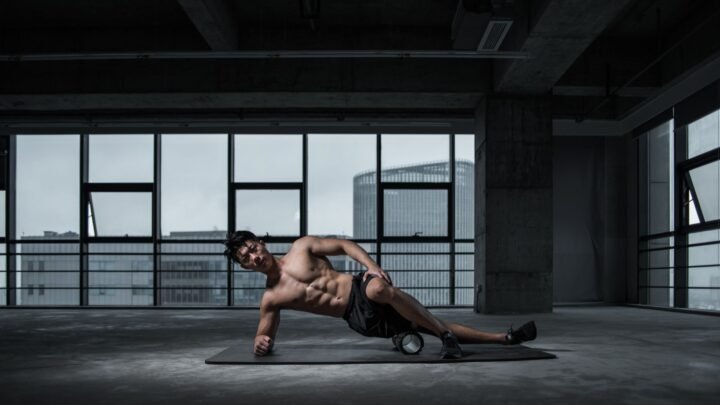
Spend five to ten minutes on a foam roller or massage roller targeting whatever took the most load that day: calves and quads after heavy kicking, lats and forearms after grappling, shoulders after pad work. Go slow and pause on tight spots for 20-30 seconds instead of rolling back and forth quickly. A tool like the TriggerPoint GRID Foam Roller works well for this and holds up to daily use.
Use a massage gun on specific tight spots
If you have access to one, a massage gun is faster than rolling for pinpointing a specific knot in the shoulder, hip, or calf. Run it over the area for 30-60 seconds at a time, moving slowly rather than pressing hard and staying in one spot. The Hyperice Vyper 2.0 Vibrating Roller combines rolling with vibration if you want one tool that does both jobs, and the TimTam Power Massager is built for deeper tissue work on bigger muscle groups.
Stretch the major muscle groups you used
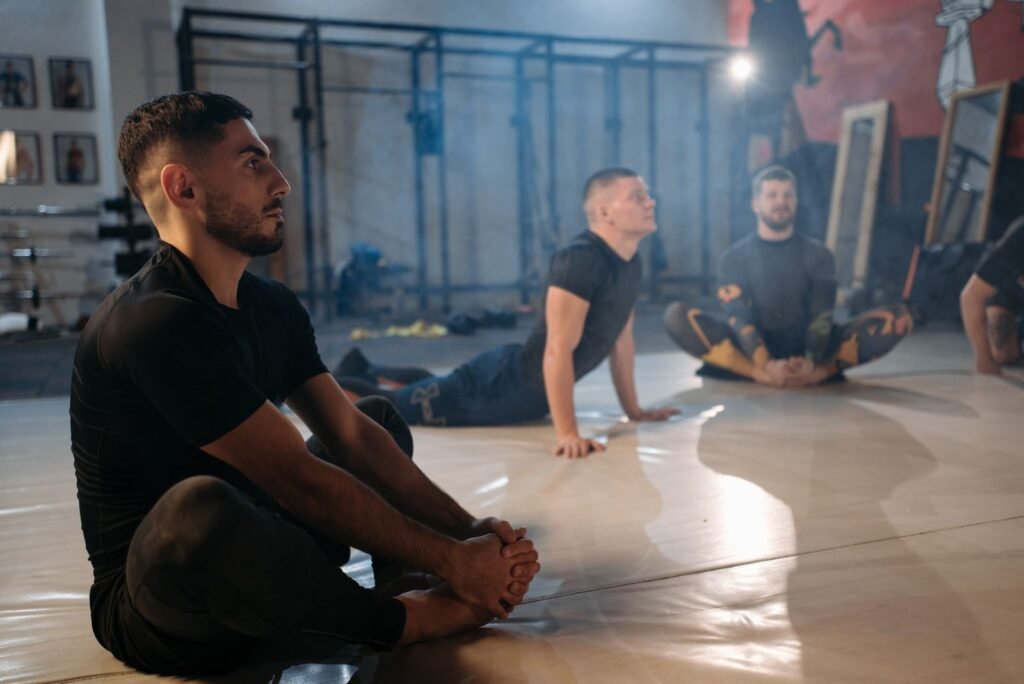
Hold static stretches for hips, hamstrings, shoulders, and neck for 20-30 seconds each once your body has cooled down a little. This isn’t about chasing flexibility records, it’s about reminding your muscles and nervous system that the training session is over. Skip aggressive stretching on anything that’s acutely painful or recently injured.
Ice or compress anything swollen or sharply sore
If a joint, knuckle, or shin is swollen or noticeably more sore than general muscle fatigue, ice it for 15-20 minutes rather than pushing through with more stretching. Compression sleeves can help manage mild swelling in knees, elbows, or ankles during the rest of the day. For anything with sharp pain, limited range of motion, or visible swelling that doesn’t settle, see a doctor rather than relying on home treatment.
Tape anything that needs extra support
If you’ve got a tweaky joint or a tendon that’s been complaining, kinesiology tape can give light support and a bit of proprioceptive feedback without restricting movement much. RockTape Kinesiology Tape and 2POOD Athletic Tape are both common choices in gyms. Taping is a support tool, not a fix, so pair it with addressing the actual cause of the irritation with your coach.
Soak in Epsom salt or take a contrast shower
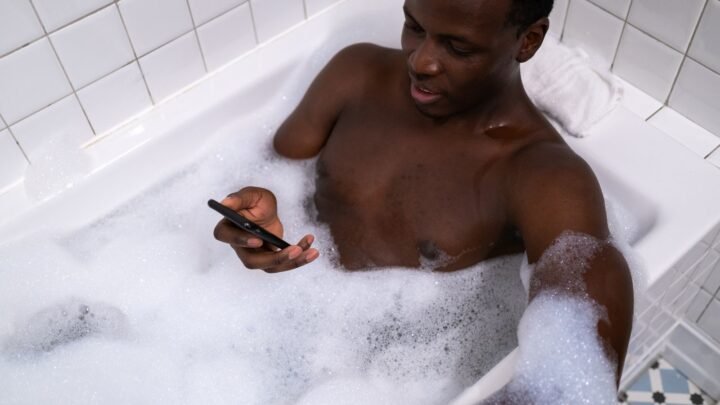
A warm Epsom salt bath for 15-20 minutes a couple times a week is a simple, low-cost way to relax tired muscles after a heavy training block. If a bath isn’t practical, finishing your shower with 30-60 seconds of cold water on your legs can have a similar “reset” effect for some people. Neither is essential, but both are cheap habits that many fighters find genuinely helpful.
Protect your sleep that night
Sleep is where the actual repair work happens, more than any tool or stretch. Aim for a consistent bedtime, keep screens out of the last 30 minutes, and avoid heavy meals or caffeine too close to lights-out on training nights. If you’re chronically under-sleeping, no amount of foam rolling will make up the difference.
Common mistakes to avoid
- Skipping recovery entirely on “light” days. Technical rolling or light pad work still loads your body. A shortened five-minute version of your routine is better than nothing.
- Stretching cold. Static stretching before your body has cooled down a bit, or on a joint that’s acutely injured, can do more harm than good.
- Relying only on tools and ignoring sleep and nutrition. A massage gun feels productive, but it won’t outwork chronic under-sleeping or under-eating.
- Icing everything by default. General muscle soreness usually doesn’t need ice. Save it for actual swelling or acute joint irritation.
- Training through sharp or worsening pain. Soreness is normal; a pain that’s getting worse session over session is a sign to see a qualified coach or medical professional, not push harder.
Tips from the gym
- Keep your recovery kit in your gym bag so it actually gets used after practice, not left at home on the shelf.
- Rotate your focus based on what you trained. Heavy sparring days call for more icing and tape checks; grappling-heavy days call for more lat, neck, and forearm work.
- Track your sleep and soreness for a couple of weeks. Patterns show up fast, like a joint that flares up every time you spar two days in a row.
- Build recovery into your schedule the same way you schedule training, rather than treating it as optional extra credit.
- If you’re training multiple disciplines in a week, like Muay Thai pads one day and BJJ the next, your recovery routine should shift to match the demands of each session.
Recommended gear
You don’t need every tool at once. Start with a basic foam roller and a way to manage hydration, then add a massage gun or tape as your training volume increases.
- For general muscle maintenance, the TriggerPoint GRID Foam Roller or the budget-friendly Gaiam Restore Foam Roller both cover the basics well. Check the Gaiam Restore Foam Roller on Amazon.
- If you want deeper tissue work, the RumbleRoller Deep Tissue Massage Roller has firmer, textured ridges that some fighters prefer for calves and glutes. Check the RumbleRoller on Amazon.
- For targeted spot treatment, read our foam roller vs massage gun comparison to decide which tool fits your budget and routine, or see our picks for the Top 10 Best Massage Guns for Recovery.
- For a deeper dive on tool-based recovery, check our Top 10 Best Foam Rollers for Recovery and Top 10 Best Epsom Salts for Post-Training Recovery guides.
If joint swelling or stiffness is a recurring issue for you, it’s also worth reading our Top 10 Best Compression Sleeves for Fighters and Top 10 Best Ice Bath Tubs for Recovery for more targeted options, and our full guide on how to use a massage gun after training if you want to get more out of that tool specifically. You can browse the full lineup in our Recovery & Conditioning hub.
This kind of routine applies whether your main sport is the Muay Thai, boxing, or BJJ, since the basic principles of hydration, mobility, and sleep don’t change much between disciplines. The main thing that changes is which muscle groups and joints need the most attention.
Frequently asked questions
How long should a post-training recovery routine take?
A basic routine takes 15-25 minutes: a few minutes cooling down, 5-10 minutes rolling or using a massage gun, a few minutes stretching, and rehydrating throughout. You can extend it with an Epsom salt soak on heavier training days, but the core routine doesn’t need to eat up a huge amount of time.
Should I ice sore muscles after every training session?
No. General muscle soreness from a hard session usually doesn’t need ice and often responds better to gentle movement and rolling. Save icing for actual swelling, a joint that’s been aggravated, or acute injuries, and if the swelling or pain is significant, get it checked by a professional.
Is a massage gun worth it compared to a foam roller?
Both have a place. A foam roller is cheaper and good for larger muscle groups, while a massage gun is faster for hitting a specific tight spot like a shoulder knot. Many fighters end up using both depending on what they’re treating; our foam roller vs massage gun guide breaks down the differences in more detail.
What should I eat or drink right after training?
Water with electrolytes if you sweated heavily, followed by a meal with protein and carbohydrates within an hour or two, supports muscle repair and glycogen replenishment. This doesn’t need to be complicated, a regular meal with a lean protein source and some carbs covers most of what you need.
How much sleep do fighters need for recovery?
Most adults need 7-9 hours per night, and that need goes up during heavy training camps or periods of frequent sparring. Consistent sleep timing matters as much as total hours, so a stable bedtime on training nights is a simple, high-value habit.
Can stretching after training prevent injuries?
Stretching after training can help with mobility and reduce stiffness, but it isn’t a guaranteed way to prevent injuries on its own. Injury prevention is more about overall training load management, proper technique, and listening to your body, with stretching as one supporting piece rather than the whole solution.
For more on general exercise recovery principles, the Mayo Clinic’s guide to stretching and flexibility and the CDC’s resources on sleep and health are solid, evidence-based starting points. Always train under a qualified coach and get any persistent pain checked by a medical professional rather than trying to train through it.