How to Break In New Boxing Gloves Quickly
A step-by-step guide to softening stiff new boxing gloves fast without damaging the padding or voiding your warranty.
In this guide
The Fighters Shop is reader-supported. As an Amazon Associate we earn from qualifying purchases, at no extra cost to you. Learn more
New boxing gloves always feel stiff out of the box, and that stiffness can actually affect your punching technique and wrist comfort for the first few sessions. Breaking them in the right way softens the padding evenly, helps the glove mold to your hand, and protects your investment instead of wrecking it with a bad shortcut.
This matters more than it sounds. Stiff gloves can bruise your knuckles on the bag, make it harder to form a tight fist, and throw off your feel for distance on pads. A proper break-in gets you punching comfortably sooner, and it does it without compromising the protection the padding is there to provide.
Step-by-step
Wrap your hands first
Always wrap your hands before working with new gloves, even for light flexing drills. Wraps protect your knuckles while the padding is still stiff and give you a more accurate feel for how the glove will fit once it’s broken in. If you’re new to wrapping, a slow, methodical wrap works better than a fast sloppy one.
Flex the gloves by hand
Before you throw a single punch, spend five to ten minutes just opening and closing your fist inside the gloves. Squeeze, release, and gently twist the wrist and knuckle area with your other hand. This starts softening the foam padding and loosening the stitching without any impact at all.
Work the padding with your palms
Take the gloves off and press down firmly on the knuckle padding and the back of the hand area with your palms, flexing them back and forth. This mimics the compression the foam will experience on the bag, just without the shock of impact. Spend a couple of minutes per glove, focusing on the areas that feel stiffest.
Start with shadowboxing
Put the gloves on and shadowbox for a full round or two before you hit anything. This lets your hands get used to the glove’s shape while you’re moving naturally, and it starts breaking in the padding through repeated light flexing at the wrist and knuckles. Keep your fists loosely closed rather than clenched tight.
Move to focus mitts or light bag work
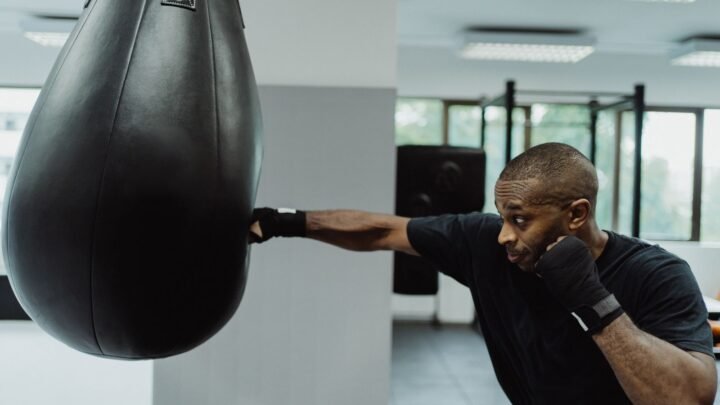
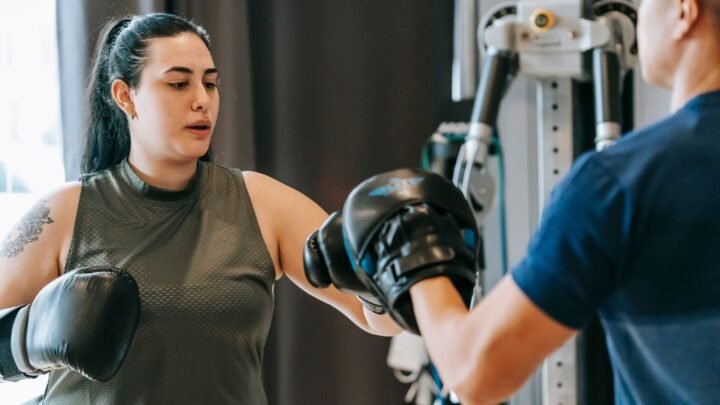
Once shadowboxing feels comfortable, move to focus mitts with a partner or coach, or light work on a heavy bag. Keep the power low for the first session or two. The goal here is repeated, controlled impact that compresses the foam evenly, not hard shots that stress one spot of the glove.
Increase intensity gradually over sessions
Over your next three to five sessions, gradually increase your punching power and volume. The padding will keep softening with each session, and you’ll notice the gloves start to flex more naturally around your fist. Rushing this by going full power on day one is more likely to flatten padding unevenly than speed up the break-in.
Condition genuine leather gloves
If your gloves are made from genuine leather, like Cleto Reyes Training Gloves or Fairtex BGV1 Boxing Gloves, a light application of leather conditioner after a few sessions keeps the outer material supple while the inner foam breaks in. Skip this step for synthetic leather gloves since conditioner isn’t designed for that material.
Let the gloves air out between sessions
Breaking in gloves involves sweat, and sweat trapped inside stiff padding speeds up odor problems and breaks down foam faster than normal wear. Open the wrist straps and let the gloves air dry fully between sessions rather than stuffing them straight into a gym bag.
Reassess fit after a week
After about a week of regular use, check how the gloves feel. They should close more naturally around your fist and feel noticeably less rigid at the wrist. If they still feel stiff after five or six sessions, that’s often more about the glove’s design or density than anything you’re doing wrong, and some models simply stay firmer for longer by design.
Common mistakes to avoid
Soaking gloves in water or putting them in the microwave are the two most common shortcuts people try, and both are bad ideas. Water damages the foam padding and the leather or synthetic shell, while heat can warp the foam unevenly and even melt certain synthetic materials. Neither speeds up the process in a way that’s actually useful.
Another mistake is going full power on the heavy bag in session one. Stiff padding doesn’t absorb shock evenly yet, so hard shots early on put more stress on your hands and wrists than the gloves can properly cushion. Build up gradually instead.
Skipping hand wraps during the break-in period is also a common error. Wraps add a layer of protection and support exactly when the glove padding is least forgiving. Leaving them off because “it’s just shadowboxing” removes a safety net you don’t need to remove.
Tips from the gym
Coaches often suggest rotating between two pairs of gloves if you train often, giving each pair time to air out and settle between sessions. This also means you’re never stuck using one stiff pair exclusively while it breaks in.
If you’re prepping gloves for a fight or an important sparring session, start the break-in process at least two weeks out. That gives the padding time to soften naturally through normal training rather than trying to rush it the night before.
Pay attention to how the glove closes around your fist as it breaks in. A properly broken-in glove should let you form a full fist with your fingers curled tight and your thumb locked comfortably along the side. If that never happens even after several sessions, the glove may be the wrong size rather than just stiff. Our guide on how to choose the right glove size covers fit basics that apply to boxing gloves too.
Always train under the guidance of a qualified coach, especially when it comes to sparring and pad work, to make sure your technique and gear are both dialed in correctly. The USA Boxing governing body is a good resource for finding certified coaches and clubs in your area.
Recommended gear
For heavy bag work during the break-in period, gloves with a bit more padding density tend to handle the process more predictably. The Twins Special BGVL3 Boxing Gloves and Hayabusa Pro Boxing Gloves are both well-regarded for their construction quality and tend to soften evenly with consistent use.
If you want a pair specifically for sparring once your training gloves are broken in, the Rival RS100 Professional Sparring Gloves are a solid option with padding built for repeated partner contact.
Don’t forget proper hand wraps to go underneath your gloves throughout the break-in process and beyond. Everlast Cotton Hand Wraps are a reliable, affordable choice that wash well and hold up over time.
For more options across different budgets and styles, check out our full Top 10 Best Boxing Gloves for Heavy Bag Work guide, or browse the wider Boxing hub for everything from wraps to headgear.
Frequently asked questions
How long does it take to break in new boxing gloves?
Most gloves soften up noticeably after three to five training sessions, with a full break-in taking about one to two weeks of regular use. Denser padding found in higher-end sparring gloves can take slightly longer than lighter bag gloves.
Can I speed up breaking in boxing gloves with water or heat?
No, soaking gloves in water or heating them in a microwave can damage the foam padding and the outer material. These methods might make the glove feel temporarily softer but they shorten its lifespan and can affect the protection it provides.
Should I wear hand wraps while breaking in new gloves?
Yes, always wrap your hands during the break-in process. Stiff padding doesn’t absorb shock as evenly as broken-in padding, so wraps add an extra layer of support and protection while the foam softens.
Do leather boxing gloves take longer to break in than synthetic ones?
Genuine leather gloves often start stiffer than synthetic leather gloves but tend to mold to your hand more precisely once broken in. Synthetic gloves usually soften a bit faster but may not conform quite as closely over time.
Is it normal for new gloves to feel tight around the knuckles?
Some initial tightness around the knuckles is normal and should ease up as the padding compresses with use. If the tightness doesn’t improve after several sessions or causes pain, the gloves may be the wrong size for your hand.
Can breaking in gloves wrong affect my punching technique?
Yes, stiff gloves can make it harder to form a full fist, which can affect wrist alignment and punch mechanics. Working through a proper break-in process, combined with coaching on technique, helps you punch more naturally and safely.