Gi vs No-Gi BJJ: Gear, Cost & Which to Start With
A practical breakdown of gi and no-gi BJJ gear, costs, and which one makes sense for your first year on the mats.
In this guide
The Fighters Shop is reader-supported. As an Amazon Associate we earn from qualifying purchases, at no extra cost to you. Learn more
Gi and no-gi are two different flavors of the same sport, and the gear you need for each is genuinely different, not just a fashion choice. The friction of the gi changes grips, pace, and even which submissions show up most, while no-gi rewards speed and pressure with sweat as the main variable instead of fabric. Picking one to start with mostly comes down to what your gym offers, your budget, and what you actually want to get good at.
This guide breaks down the gear list for each, the real costs over a year of training, and gives you clear scenarios for which to pick first. If you’re new to grappling in general, check out the BJJ & Grappling hub for more foundational guides.
Red corner
Gi BJJ
Blue corner
No-Gi BJJ
| BJJ gi (jacket + pants) | Core uniform | Rash guard and grappling shorts ;Upfront cost: Higher, $80-$200+ for a decent gi ; Lower, $60-$120 for a full kit |
|---|---|---|
| Wash after every session, air dry | Laundry | Wash after every session, quick dry |
| Slower, more grip fighting | Pace of rolling | Faster, more scrambles and pace |
| Higher due to grabbing fabric | Grip stress on fingers/joints | Lower, more control via clinch and limbs |
| Fabric absorbs a lot, needs airing out | Sweat and hygiene | Direct skin contact, ringworm/skin infection risk if hygiene slips |
| Yes, gi belt tracks rank | Common belt system use | Rank tracked separately, no belt worn |
| Less direct (opponents rarely wear a jacket) | Carryover to MMA/self-defense | More direct, closer to a street or cage scenario |
Both are valid ways to build BJJ skills, and neither is objectively harder. If your goal is traditional BJJ progression and belt promotions, gi is the standard path. If your goal is MMA, submission grappling competition, or just less gear to manage, start no-gi.
What gear you actually need for gi training
The gi itself is the big-ticket item. A jacket, pants, and belt come as a set, and you’ll want one that’s a reasonable weight (single or double weave) so it doesn’t fall apart under grip fighting. A gear shop browse will show a wide range of price points, but a mid-weight cotton or cotton-blend gi from a known BJJ brand is the safest first purchase. Look at something like a Fuji BJJ Gi or a Hayabusa BJJ Gi as reference points for what a solid entry-level gi looks like.
Underneath the gi you’ll still want a rash guard, especially if you sweat heavily or your gym has a no-bare-skin policy. A Venum rash guard works fine layered under a gi jacket and doubles as no-gi gear later. Grappling shorts aren’t needed under gi pants, but some people wear compression shorts underneath for comfort and hygiene.
You’ll also need a way to keep the gi clean and functional. Gis take longer to dry than rash guards, so plan on owning at least two if you train more than twice a week, otherwise you’ll be training in a damp gi or skipping sessions waiting on laundry. A gi bag or mesh laundry bag keeps the sweat and bacteria contained on the way home, which matters more than people expect.
What gear you actually need for no-gi training
No-gi gear is simpler and cheaper to start. You need a rash guard (short or long sleeve), grappling shorts with no pockets or belt loops that could catch a finger, and that’s genuinely most of it. A Sanabul rash guard paired with Venum grappling shorts covers the basics for most beginners.
Because there’s no gi fabric to grip and no belt to signal rank, hygiene becomes more important in no-gi, not less. Skin-to-skin and mat contact is direct, so a lot of experienced no-gi grapplers shower immediately after training and wash gear every single session, not every few sessions like some gi practitioners get away with. Ringworm and other skin infections are a known risk in grappling sports generally, and the CDC has general guidance on preventing skin infections in contact sports that’s worth a read if you’re new to mat sports.
Some no-gi schools also allow or require grappling spats (compression leggings) over shorts, which some people prefer for grip and coverage. That’s a nice-to-have, not a must-have, for your first few months.
Cost comparison over your first year
Gi training front-loads the cost. A single decent gi runs from moderate to fairly expensive depending on brand and weave, and if you want a backup gi (recommended for anyone training regularly) you’re doubling that. After the initial purchase, ongoing costs are mostly just laundry and eventual replacement when the fabric wears out or you rank up and want a different color, which some gyms require at certain belt levels.
No-gi spreads the cost out. Individual rash guards and shorts are cheaper per item than a gi, but you’ll want multiple sets since they need washing every session and dry faster, making rotation easier. Over a year, no-gi and gi costs often land in a similar range, but no-gi lets you spread purchases over time instead of one big outlay on day one.
Either way, check the current price on Amazon before assuming one path is dramatically cheaper. Sales and bundle deals on gi sets can sometimes undercut buying rash guards and shorts separately.
How the two styles actually feel different on the mat
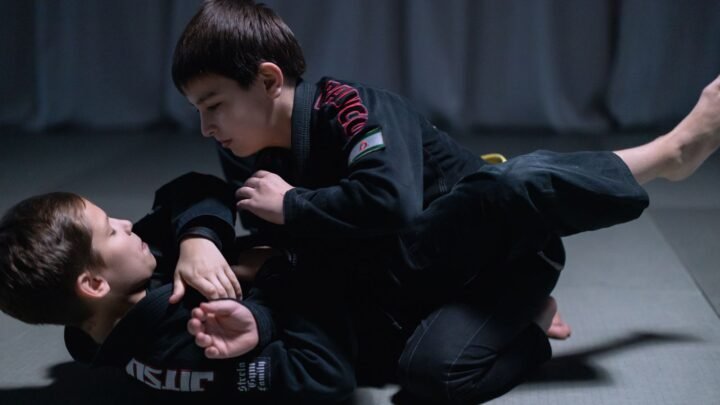
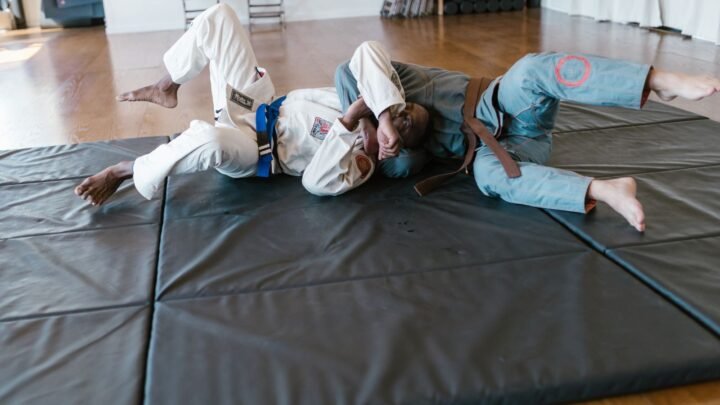
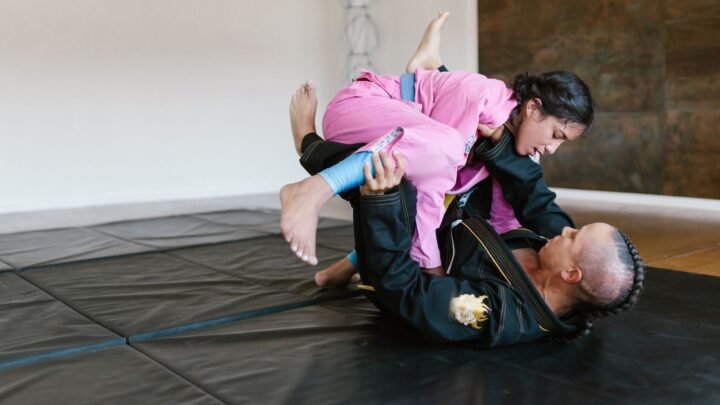
Gi grappling is slower and more methodical because grips on fabric let you control an opponent’s posture and base without needing raw strength or explosive speed. This makes it a genuinely good style for smaller or older practitioners to develop technical control, since the gi rewards precision over athleticism more than no-gi does. Collar chokes, lapel guards, and spider guard variations are gi-specific tools you simply don’t have in no-gi.
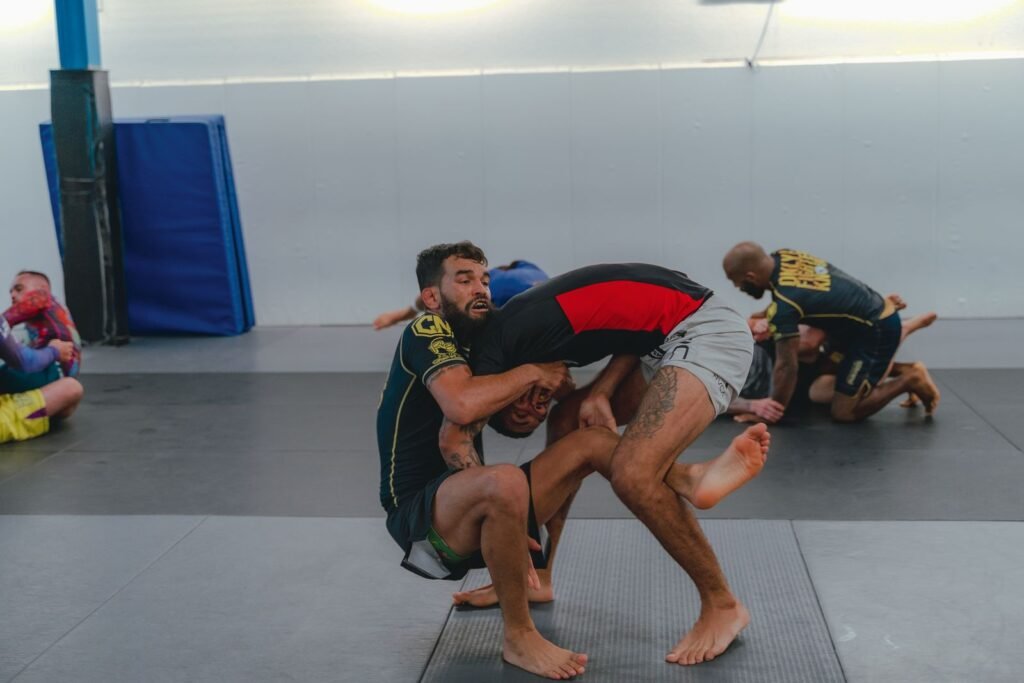
No-gi moves faster and rewards pace, wrestling ability, and pressure. Without fabric to grab, control comes from clinching, underhooks, and limb control, which carries over more directly to MMA and self-defense scenarios where nobody’s wearing a jacket. Scrambles happen more often and roll pace is generally higher, which some people find more athletic and fun, and others find more physically demanding on the body over time.
Neither approach is more “real” than the other. Competitive organizations run both formats at the highest levels, and the IBJJF remains the biggest gi-based competition body while submission-only no-gi events have grown significantly in the past decade.
Which is easier on your body long-term?
Gi grappling puts more repetitive stress on fingers, especially grip strength in the hands from constantly gripping fabric, which is why finger and hand injuries are a known long-term concern for dedicated gi competitors. No-gi tends to put more stress through the neck, shoulders, and cardiovascular system due to the faster pace and heavier reliance on clinch control and scrambling.
Neither is inherently safer, and both carry standard grappling injury risks like joint locks applied too fast, or getting caught in a bad position by a more experienced training partner. A qualified coach who teaches tap etiquette and controls the intensity of rolls, especially for beginners, matters far more to your safety than which uniform you’re wearing. If you’re recovering from a nagging joint issue or building general durability for either style, the Recovery & Conditioning hub has useful supporting guides.
Which should you choose?
Pick gi first if any of these describe you:
- Your main gym is gi-focused or gi-only, which is common for traditional BJJ academies.
- You want to chase belt promotions in the standard IBJJF-style ranking system.
- You’re smaller or lighter and want a style that rewards technical control over speed and strength.
- You like the idea of a slower, more chess-like grappling pace early on.
A solid starting kit looks like a Fuji BJJ Gi paired with a Venum rash guard worn underneath.
Pick no-gi first if any of these describe you:
- Your long-term goal is MMA, self-defense, or submission grappling competition rather than traditional BJJ ranking.
- You want lower upfront gear cost and less laundry management.
- You prefer a faster, higher-pace training session.
- Your gym runs mixed or no-gi-heavy classes already.
A simple starting kit is a Sanabul rash guard and Hayabusa grappling shorts.
If your gym offers both, the honest recommendation from most coaches is to do both eventually. Gi builds a technical grip and control foundation that carries over well to no-gi, and no-gi builds pace and scramble instincts that make your gi game sharper too. If you’re also cross-training into striking sports, the MMA hub and Judo & Wrestling hub have gear guides that overlap with a lot of no-gi training needs.
Frequently asked questions
Is gi or no-gi better for beginners?
Neither is objectively better for beginners, it depends on your gym and goals. Gi is more common as a starting point at traditional academies and builds technical control habits, while no-gi is simpler gear-wise and more directly useful if MMA is your end goal.
Can I use the same gear for both gi and no-gi?
Your rash guard works under both a gi jacket and on its own for no-gi rolling, so that’s one overlapping piece. Grappling shorts and gi pants are not interchangeable, and you’ll need a separate gi if your gym trains both formats.
Do I need a mouthguard for BJJ?
Many BJJ gyms don’t require a mouthguard since striking isn’t part of sparring, but some grapplers wear one anyway for comfort during scrambles. Ask your coach what’s standard at your specific gym.
How often should I wash my gi?
Wash your gi after every single training session. Sweat and bacteria build up quickly in the heavy fabric, and skipping washes increases skin infection risk for you and your training partners.
Is no-gi more dangerous than gi grappling?
Both carry standard grappling risks like joint locks and impact from takedowns, and neither is clearly more dangerous overall. No-gi tends to move faster with more scrambling, while gi grappling puts more repetitive strain on the fingers from gripping fabric.
What size gi should I buy?
Gi sizing runs differently from regular clothing sizes and varies by brand, so always check the specific brand’s size chart against your height and weight rather than guessing your usual size. A gi that’s too big will slow you down and give opponents extra fabric to grip.