How to Fit a Boil-and-Bite Mouthguard the Right Way
A step-by-step guide to boiling, biting, and molding your mouthguard for a secure, comfortable fit.
In this guide
The Fighters Shop is reader-supported. As an Amazon Associate we earn from qualifying purchases, at no extra cost to you. Learn more
A mouthguard only protects you if it fits. A sloppy fit can shift during a scramble or exchange, fall out mid-round, or fail to cushion an impact where it matters. Since a boil-and-bite guard molds to your exact bite, getting the fitting process right is the difference between real protection and a piece of rubber you’re just holding in your mouth.
This applies across combat sports — boxing, Muay Thai, MMA, and kickboxing all involve strikes to the head where a dialed-in mouthguard matters. Even grapplers sparring hard in BJJ or wrestling benefit from a properly fitted guard to protect against accidental clashes.
Step-by-step
Read the instructions first
Every brand has slightly different water temperature and timing guidelines. Some want a rolling boil, others recommend water just off the boil to avoid overheating the material. Skipping this step is the number one reason people end up with a warped or overly soft guard.
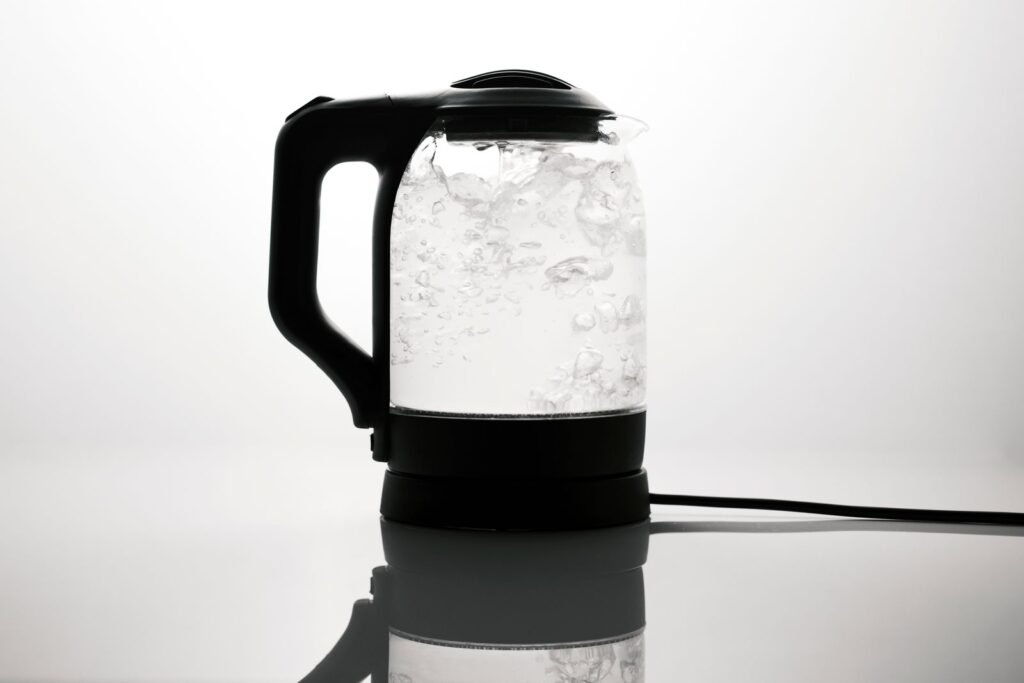
Boil the water
Bring water to the temperature specified on the packaging, usually just at or just below boiling. Use enough water in the pot so the mouthguard can be fully submerged without touching the bottom of the pan.
Submerge the mouthguard
Using tongs or a spoon, drop the mouthguard into the hot water for the exact time listed, typically somewhere between 20 and 45 seconds depending on the brand. Don’t guess — over-softening makes the material thin and weak once you bite down, while under-softening leaves it too stiff to mold properly.
Cool it briefly
Pull the mouthguard out and dip it quickly in cold water, or let it sit for a few seconds, so it’s warm and pliable but not hot enough to burn your mouth. It should still be soft and slightly flexible when you touch it.
Position it in your mouth
Center the mouthguard over your upper teeth (most boil-and-bite guards are designed to be molded to the top arch). Make sure it’s seated evenly with no teeth poking out the sides or the front.
Bite down and suck
Close your jaw into your normal bite and press down firmly and evenly. At the same time, suck in through your mouth to pull out air and draw the softened material tightly against your teeth, gums, and the roof of your mouth. This suction step is what creates a snug, custom seal, not just biting alone.
Use your fingers to press and shape
While still biting down, use your fingers on the outside of your lips and cheeks to press the material firmly against your front teeth and along the gumline. This helps capture detail around each tooth instead of leaving a generic, loose-fitting shell.
Hold the bite
Keep steady pressure for 20-30 seconds without releasing. This is where a lot of people rush and end up with a mushy, imprecise mold. The longer, steady hold lets the material set around the actual shape of your teeth.
Cool and check the fit
Remove the mouthguard and dunk it in cold water for 15-20 seconds to fully set the shape. Put it back in and check that it grips your upper teeth on its own, without you clenching your jaw, and that it doesn’t feel loose, sharp, or uneven on one side.
Trim or re-mold if needed
If the back edges dig into your gums or feel excessively long, most boil-and-bite guards can be trimmed slightly with scissors once cooled. If the fit is loose, uneven, or you weren’t happy with your first attempt, most guards can be re-boiled and re-molded a couple of times before the material breaks down too much.
Common mistakes to avoid
- Biting down too hard too fast. Slamming your jaw shut can push all the material to the edges and leave a thin spot right where your teeth make contact. A firm, controlled bite works better than an aggressive chomp.
- Skipping the suction step. Biting alone often leaves air pockets that create a loose, bulky fit. Sucking the air out while you bite is what pulls the material tight against your teeth and palate.
- Not timing the boil. Eyeballing the water temperature or dunk time is the most common reason boil-and-bite guards end up too soft or too stiff.
- Molding it in a rush. A proper hold is 20-30 seconds. Pulling it out early because the water felt hot is a common shortcut that leads to a sloppy fit.
- Re-boiling too many times. Every boil cycle breaks down the material a little. After 3-4 re-molds, the guard usually loses enough structure that it’s time to replace it rather than keep adjusting it.
- Ignoring a bad fit and training anyway. If it doesn’t stay in place on its own, it’s not doing its job. Take the extra five minutes to re-mold it before your next session.
Tips from the gym
- Do the fitting at home the night before your first session with a new guard, not five minutes before class. Rushing the process under time pressure is when most people mess it up.
- If you wear braces or dental work, look specifically for a mouthguard labeled safe for orthodontics — regular boil-and-bite guards can mold around brackets in ways that make removal difficult or uncomfortable.
- Bite gently a few times right after the final cold-water dunk to check comfort before your next training session, not during a live sparring round.
- Rinse and air-dry your mouthguard after every use, and store it in a vented case rather than a sealed one — trapped moisture breeds bacteria fast.
- If you’re coaching kids in contact sports, check out our guide on choosing sparring gear for kids in karate and TKD, which also covers mouthguard sizing for younger athletes.
- For general safety guidance on mouthguards in sport, resources from national dental and sports medicine organizations are a good reference point alongside your coach’s advice.
Recommended gear
A solid boil-and-bite mouthguard should feel snug on its own and hold up to repeated re-molding if you need to adjust it. Here are a few well-regarded options worth checking out.
Related: pairing your mouthguard with proper hand wraps matters too — a fitted mouthguard and correctly wrapped hands are both part of showing up ready for sparring.
- Shock Doctor Gel Max Mouthguard — a widely used option with a gel-fit liner that adds extra cushioning and grip after molding.
- Venum Challenger Mouthguard — a low-profile option popular in Muay Thai and MMA circles for its slim design that doesn’t feel bulky once fitted.
- SISU Aero Mouthguard — an ultra-thin guard designed for less bulk and easier breathing, worth considering if a standard guard feels too thick for your comfort.
- Shock Doctor Braces Mouthguard — built specifically to accommodate orthodontic braces safely.
For more on building out your protective kit, browse the Protection Gear hub, and if you’re just starting out in a striking sport, our Muay Thai for Beginners guide covers what else you’ll want in your bag for your first month of training.
Frequently asked questions
How do I know if my mouthguard fits correctly?
It should stay in place on its own when you open your mouth slightly, without you clenching your jaw to hold it. There shouldn’t be any loose edges, air gaps, or sharp spots digging into your gums. If you have to bite down constantly to keep it from falling, it needs to be re-molded.
Can I re-boil a mouthguard if I mess up the fit?
Yes, most boil-and-bite mouthguards can be re-boiled and re-molded several times, usually up to about 3-4 attempts before the material starts breaking down and losing its shape-holding ability. If it stops holding a mold or feels thin and stretched, it’s time for a new one.
How long does a boil-and-bite mouthguard last?
With regular care, most last a few months to a season of consistent training before the material wears out, discolors, or loses its fit. Replace it sooner if you notice cracks, tears, or a persistently loose fit even after re-molding.
Is a boil-and-bite mouthguard as good as a custom one?
A well-fitted boil-and-bite guard offers solid protection for most training and amateur competition needs. Custom-fitted guards made from a dentist’s mold generally offer a more precise, comfortable fit and are often preferred for serious competitors, but they cost significantly more.
Why does my mouthguard feel too tight after molding?
This usually means you bit down too hard or held it too long before it cooled, compressing the material more than needed. Re-boil it and try a lighter, more even bite pressure next time, focusing on suction rather than force to seal the fit.
Should I mold the mouthguard to my top or bottom teeth?
Nearly all standard boil-and-bite mouthguards are designed to be molded to the upper teeth, which is also the standard most combat sports organizations require for sparring and competition. Double-check your gym or event’s rules, and consult your coach if you’re unsure which style is appropriate for your sport.
For sport-specific safety standards on mouthguards, the USA Boxing and international federation rulebooks for your discipline are worth a look before competing, since requirements can vary between striking and grappling sports.