How to Choose the Right Heavy Bag Weight | Home Training
A step-by-step guide to matching heavy bag weight to your bodyweight, sport, and training space so you get a bag that hits back the right amount.
In this guide
The Fighters Shop is reader-supported. As an Amazon Associate we earn from qualifying purchases, at no extra cost to you. Learn more
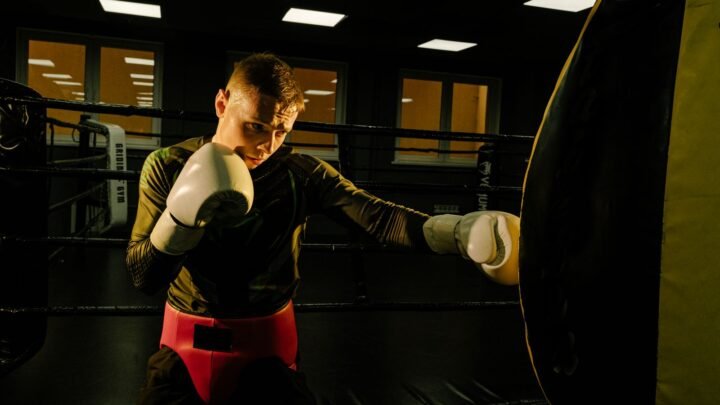
Heavy bag weight isn’t just a comfort preference — it directly affects your technique, your joints, and how long the bag lasts. A bag that’s too light swings wildly and won’t absorb your power, teaching bad habits like arm-punching. A bag that’s too heavy barely moves, which can jar your wrists and shins on every strike, especially if your form isn’t dialed in yet.
Getting the weight right means your bag mimics the give of an actual opponent, so your shots feel honest and your joints stay happy over months of training. This guide walks through the exact steps to size a bag correctly, whether you’re training boxing, Muay Thai, or general home training.
Step-by-step
Confirm your bodyweight
Weigh yourself and round to the nearest 10 lbs. This is your baseline number for every calculation that follows. If your weight fluctuates a lot, use your average weight over the past month rather than a single reading.
Apply the half-bodyweight rule
Divide your bodyweight by two to get a starting target. A 160 lb person lands around an 80 lb bag, a 200 lb person around a 100 lb bag. This ratio gives enough resistance to load your strikes without punishing your joints on impact.
Adjust for your sport
Boxers throwing mostly hand strikes can often go slightly lighter than the half-bodyweight mark since punches generate less raw force than kicks. Muay Thai, kickboxing, and MMA athletes who throw hard low kicks and knees usually want to be at or slightly above the half-bodyweight line, because a too-light bag will fly on the chain and teach poor kick mechanics.
Adjust for experience level
Beginners should size down 10-15 lbs from the calculated target. Learning proper hip rotation and wrist alignment matters more early on than loading the bag heavily, and a lighter bag reduces the chance of tweaking a wrist or shoulder while form is still developing.
Check your mounting option
A ceiling-mounted bag needs a joist or beam rated for the bag’s weight plus swing force — most household ceilings handle bags up to around 100 lbs safely, but always verify with the mount manufacturer’s rating. If you’re using a freestanding heavy bag stand, check its maximum rated bag weight, since exceeding it makes the base unstable and prone to tipping.
Measure your ceiling height and swing radius
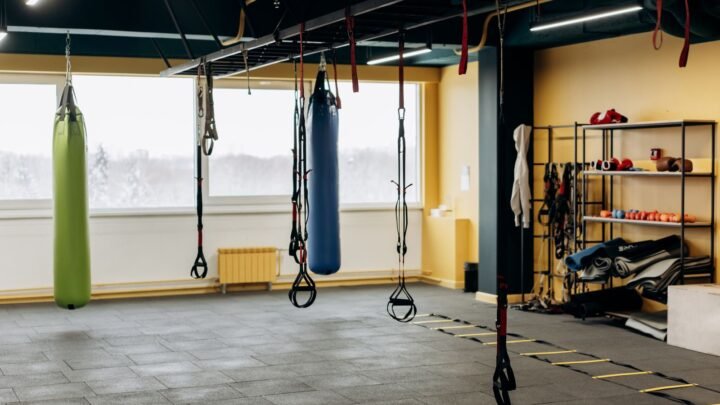
Heavy bags typically run 4 to 5 feet long, so you need at least 7-8 feet of clear ceiling height plus another 2-3 feet of floor clearance around the bag for kicking and circling. Measure your actual space before ordering, since a bag that’s too long for a low ceiling will drag on the floor.
Factor in filler type if choosing an unfilled bag
Some bags ship unfilled and let you choose the material — sand, fabric scraps, or a mix. Sand-only fills get very dense and can feel too solid; a sand-and-fabric mix (roughly 70/30) gives a more forgiving, natural feel closer to a filled bag from a major brand.
Test the swing, not just the weight
Once hung, give the bag a firm push. It should swing back with resistance but still move — if it barely budges, it’s too heavy for controlled sparring-style work; if it swings wide and takes several seconds to settle, it’s too light. This real-world test matters more than the number on the tag.
Reassess as you progress
As your power and technique improve over 6-12 months, many athletes upgrade to a heavier bag or add a second bag for variety. It’s normal to outgrow your first bag — that’s a sign your training is working, not a sign you bought wrong the first time.
Common mistakes to avoid
Buying based on price alone rather than weight-to-bodyweight ratio is the single biggest mistake — a bag that’s on sale but the wrong size will actively work against your technique. Skipping the ceiling or stand weight rating is a close second; a bag ripping out of a ceiling mount is a genuine safety hazard, not just an inconvenience.
Another common error is assuming heavier is always better. Bigger, stronger athletes sometimes go straight for a 150 lb bag thinking it’ll “build power,” but an overly dense bag can cause more wrist and shin discomfort than it solves, especially without wraps and proper technique. Finally, don’t ignore length — a too-long bag that touches the floor limits your ability to work low kicks and knees properly.
Tips from the gym
Coaches often suggest sizing slightly light rather than slightly heavy if you’re between two weight options — you can always add sand or a second bag later, but you can’t easily make an oversized bag lighter. Always train with proper hand wraps and bag gloves regardless of bag weight, since wraps protect the small bones in your wrist that take the brunt of impact.
If you’re working on low kicks, a slightly firmer, heavier bag actually helps you learn to check your shin properly and commit to the kick rather than pulling it. For hand-speed and combination work, a lighter bag that moves more lets you practice footwork and angles as you follow the bag’s motion. Many home gym owners keep two bags — one for structured strength load, one lighter double-end or speed option for the striking-rhythm side of training. If you’re new to a striking sport, our Muay Thai for beginners guide and starting MMA gear guide cover what else you’ll want alongside your bag setup.
As with any high-impact training, it’s worth checking in with a qualified coach on your striking mechanics before you start hammering a heavy bag regularly, particularly if you have any prior wrist, elbow, or shoulder issues. The National Strength and Conditioning Association and resources from bodies like the International Boxing Association outline sensible progressions for striking-based conditioning work.
Recommended gear
For most home training setups, a mid-size filled bag in the 70-100 lb range covers the widest group of bodyweights and sports. The Gear Shop carries a range of bags, stands, and mounting hardware if you want to compare options side by side.
The Everlast MMA Heavy Bag Kit is a solid all-rounder for boxing, Muay Thai, and MMA work, with a filled construction that holds up to regular kicking and punching. If you’re tight on ceiling clearance or renting, the Century Wavemaster XXL is a freestanding option that sidesteps the mounting question entirely and works well for lighter to moderate power levels.
For a heavier, denser option once you’ve outgrown a starter bag, the RDX Heavy Bag Unfilled lets you control the fill weight and density yourself. Whatever bag you choose, pair it with proper wraps like the Everlast Hand Wraps to protect your wrists from day one.
If kicking is a big part of your training, our Top 10 Best Kick Shields guide is a useful companion piece for pad-holder-style drills alongside your bag work.
Frequently asked questions
What heavy bag weight is best for a beginner?
Most beginners do well with a bag around 40% of their bodyweight rather than the full half-bodyweight target, since lighter bags are more forgiving while technique is still developing. As form improves over a few months, you can move up to the standard half-bodyweight ratio.
Is a 70 lb heavy bag heavy enough?
A 70 lb bag suits most people weighing between 130 and 160 lbs and works fine for boxing, kickboxing, and general fitness use. Heavier or more advanced kickers may find it swings too much on hard low kicks and prefer sizing up.
Can a heavy bag be too heavy for a ceiling mount?
Yes. Most standard ceiling joists are rated for household use, not repeated dynamic swing load, so exceeding around 100 lbs without reinforcement or a rated mount can risk pulling the anchor loose. Always check the specific weight rating of your mounting hardware and consider a wall or freestanding mount if you’re unsure.
Should Muay Thai fighters use a heavier bag than boxers?
Generally yes, since low kicks and knees deliver more force than punches and a too-light bag will swing excessively during kicking combinations. Many Muay Thai gyms use bags at or slightly above the half-bodyweight guideline for this reason.
How do I know if my heavy bag is too light?
If the bag swings wide and takes several seconds to settle after a moderate strike, or if you find yourself chasing it around the room, it’s likely too light for your power level. This often leads to arm-punching instead of driving through the target with proper hip rotation.
Bag weight mainly affects striking practice, not grappling drills, so your bag choice should still follow the striking guidelines above. For takedown and grappling work, a grappling dummy is a better tool — see our Top 10 Best Grappling Dummies guide for options.Do I need a heavier bag if I'm training for MMA takedown defense too?