Starting MMA: Gear You Need and What to Skip
A practical, no-nonsense breakdown of the MMA gear a true beginner needs versus what can wait.
In this guide
- What MMA training actually looks like for a beginner
- What to expect in your first few weeks
- The basics: hands, mouth, and groin first
- Gloves: the one area where MMA gets specific
- Shin guards and grappling gear
- Training tips for your first few months
- Safety comes first
- What you can skip as a beginner
- Starter gear checklist
- Frequently asked questions
The Fighters Shop is reader-supported. As an Amazon Associate we earn from qualifying purchases, at no extra cost to you. Learn more
Walking into your first MMA class can feel like you need a whole pro shop’s worth of equipment before you even step on the mat. You don’t. Most gyms have loaner gloves and pads for your first few sessions, and a smart beginner buys gear in stages as they figure out what they actually enjoy and how often they’ll train.
This guide breaks down exactly what to buy before day one, what to add once you’re hooked, and what’s genuinely a waste of money for a beginner. It’s written for someone who has never trained before and wants to walk in prepared without overspending.
What MMA training actually looks like for a beginner
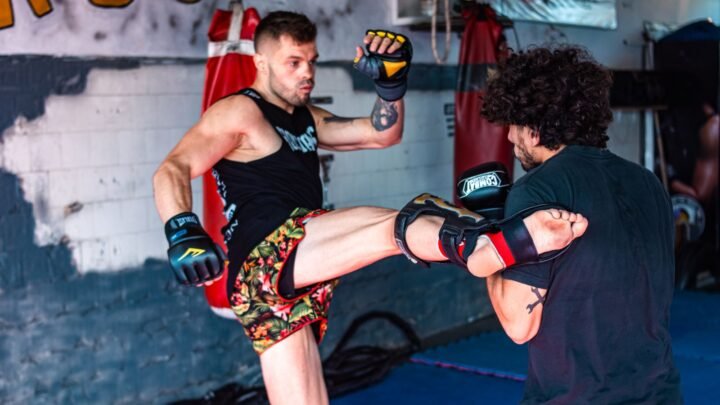
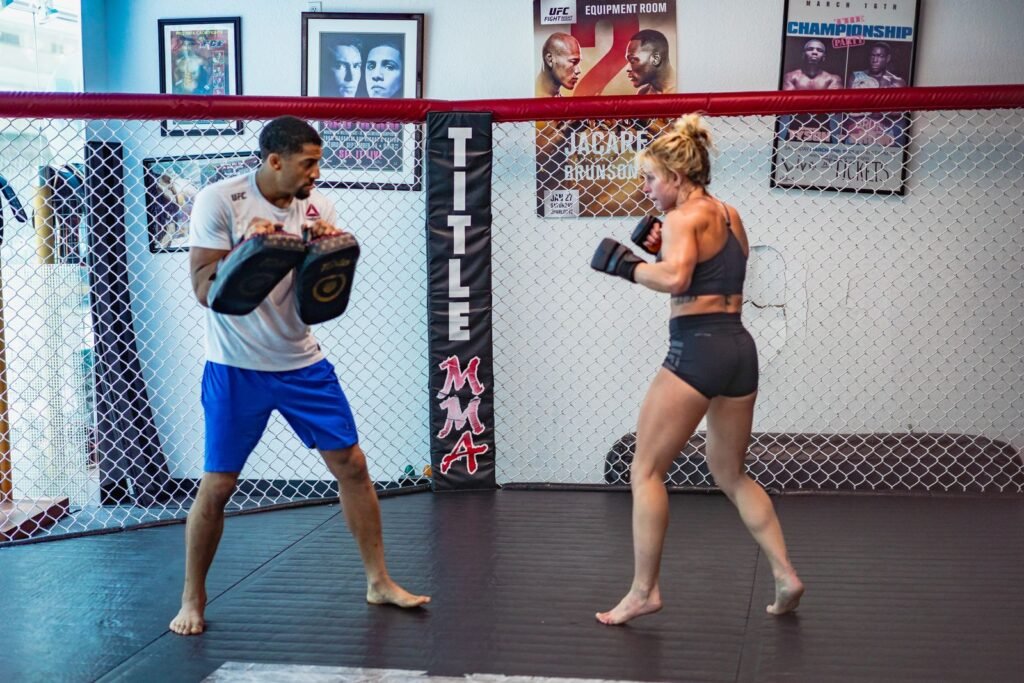
Mixed martial arts blends striking (boxing, Muay Thai, kickboxing) with grappling (wrestling, Brazilian jiu-jitsu). A typical beginner class splits time between pad work or bag drills, technique breakdowns, and live but controlled sparring or rolling. You won’t be thrown into hard sparring in week one — good gyms build you up slowly.
Because MMA borrows from so many disciplines, your gear list overlaps with several other sports. If your gym leans heavy on grappling, look at our BJJ for Beginners guide for extra context. If striking is the bigger focus early on, the Muay Thai first month guide covers a lot of the same fundamentals around pad work and conditioning.
What to expect in your first few weeks
Expect soreness in muscles you didn’t know you had, especially your forearms from gripping and your hips from takedown drills. Expect to feel clumsy at first — everyone does. Most gyms won’t put brand-new students into hard sparring; you’ll usually start with technical drilling and light, controlled contact.
Talk to your coach before your first class about what gear is required versus provided. Many gyms have a “no gear needed for trial classes” policy and only ask you to buy your own once you commit to a membership. This is the best time to ask questions about which brands or sizes they see work well for students at your gym specifically.
The basics: hands, mouth, and groin first
If you buy nothing else before your first sparring session, buy these three things. Hand wraps protect your wrists and knuckles under gloves and are non-negotiable for striking work — see our guide on how to wrap your hands for a step-by-step walkthrough that applies to MMA too.
A mouthguard protects your teeth and reduces the risk of jaw injury during sparring; a simple boil-and-bite model fits most beginners fine. A groin cup is essential for anyone training striking or grappling that includes takedowns — this isn’t optional gear, it’s basic safety equipment that every gym will expect you to own before contact work.
Gloves: the one area where MMA gets specific
MMA gloves are different from boxing gloves — they have less padding and exposed fingers so you can grip for clinch work and ground fighting. However, most gyms will have you train in boxing gloves or bag gloves for your first weeks of striking-only work, since MMA gloves offer less hand protection on pads and bags.
Once your gym introduces grappling-integrated sparring, you’ll want a real pair of MMA gloves. Read our comparison on Muay Thai gloves vs boxing gloves to understand the padding and fit differences, since the same logic applies when comparing boxing gloves to MMA gloves.
Shin guards and grappling gear
If your gym does kicking drills or Muay Thai-style sparring as part of the MMA curriculum, shin guards are worth owning early — bare-shin sparring is uncomfortable and increases injury risk for both partners. Our guide on picking your first pair of shin guards walks through sizing and padding types.
On the grappling side, you’ll likely need proper training shorts that won’t restrict hip movement or catch on grips. Check our top grappling shorts guide for options that work well across BJJ, wrestling, and MMA. If your gym does gi-based grappling as part of MMA fundamentals, our BJJ gi size guide will help you avoid an oversized or shrunk gi.
Training tips for your first few months
- Wash your gear after every session. Gloves, wraps, and rash guards hold onto bacteria and sweat fast. See our guide on cleaning and deodorizing gloves for a routine that actually works.
- Build conditioning outside of class. Jump rope work builds footwork and cardio efficiently — our jump rope guide is a good place to start if you’re new to it.
- Don’t skip warmups and mobility work. MMA asks a lot of your hips, shoulders, and neck. Slow, steady progress beats rushing into hard sparring.
- Ask before you buy anything expensive. Coaches often have strong opinions on brands that hold up under their specific training style.
Safety comes first
MMA involves real contact, submissions, and striking, so injury risk is part of the sport. Always train under a qualified, attentive coach, and don’t rush into hard sparring before you understand basic defense and tapping etiquette. If you have any pre-existing joint, neck, or cardiovascular concerns, check with a doctor before starting contact training.
Organizations like the U.S. Anti-Doping Agency and general guidance from bodies such as the CDC on concussion awareness are useful background reading if you want to understand the broader safety conversation around combat sports. Your gym’s own rules on sparring intensity and tap-out etiquette matter more day-to-day than anything you read online.
What you can skip as a beginner
You don’t need cage-replica shorts, sponsor-branded rash guards, or a full walkout kit in month one. Skip expensive competition gloves until you’ve settled into a gym and know what padding and fit you actually prefer. Skip grappling dummies and home heavy bags too — those are for later, once you’re training enough at home to justify the space and cost; our grappling dummies guide is worth revisiting once you’re at that stage.
You also don’t need headgear on day one unless your gym specifically requires it for sparring — many MMA gyms save headgear for harder sparring sessions further down the line. If yours does require it early, our boxing headgear guide covers fit and protection basics that carry over.
Starter gear checklist
- Hand wraps — Everlast Pro Style Hand Wraps, see the top hand wraps guide
- Boxing or bag gloves for early striking classes — Venum Challenger Boxing Gloves
- MMA gloves for grappling-integrated sparring — Venum Undisputed MMA Gloves
- Mouthguard — Shock Doctor Gel Max Mouthguard
- Groin cup and supporter — Shock Doctor Core Compression Cup
- Shin guards for kicking sparring — Hayabusa T3 Shin Guards, see the top shin guards guide
- Grappling shorts — Venum G-Fit Shorts, more picks in the grappling shorts guide
- Rash guard for grappling hygiene and comfort — Hayabusa Haburi Rash Guard
- Gear bag to keep everything organized — Sanabul Gym Duffel Bag
For more general training gear beyond your first checklist, browse the MMA hub or the wider Gear Shop for staples across every discipline MMA borrows from.
Frequently asked questions
Do I need my own gloves for my first MMA class?
Most gyms provide loaner gloves for trial classes, so you usually don’t need your own right away. Once you commit to regular training, get your own pair for hygiene and fit reasons.
What's the difference between MMA gloves and boxing gloves?
MMA gloves have less padding and open fingers so you can grip during clinch work and grappling, while boxing gloves have more padding and closed fists for striking-only protection. Most beginners train in boxing gloves for striking drills and switch to MMA gloves once grappling is added.
How much should I spend on beginner MMA gear?
A basic starter kit of wraps, gloves, a mouthguard, and a cup typically costs less than a month of gym membership. Hold off on pricier items like custom gloves or a home bag setup until you know you’ll stick with training.
Is MMA safe for beginners?
MMA carries real injury risk like any contact sport, but reputable gyms manage that risk through structured, supervised training and gradual sparring intensity. Always train under a qualified coach and speak with a doctor first if you have existing health concerns.
Do I need a gi for MMA training?
Not usually — MMA typically uses no-gi grappling gear like rash guards and grappling shorts rather than a traditional BJJ gi. Some gyms do include gi-based fundamentals classes, so check with your coach about what’s required.
How often should I train MMA as a beginner?
Two to three sessions a week is a common and sustainable starting point for most beginners. This gives your body time to recover while still building consistency and skill retention.